Buying an Aluminum Door for an overseas project is rarely just a matter of choosing a finish. The right specification must suit the building, climate, opening size, and daily use. A coastal hotel may need different corrosion protection from a dry inland warehouse. A busy entrance also places different demands on hinges, locks, and seals. Small details matter. A threshold that looks minor on a drawing can affect drainage, accessibility, and installation.
For transparency, this guide uses a fictional composite specialist, Elena Marlow, to express a practical buying principle: “Compare the complete door system, not just the frame or quoted price.” That means checking alloy and finish specifications, thermal performance, glazing, hardware, testing evidence, packaging, and after-sales support. Ask suppliers for product data and clear drawings. Confirm dimensions, tolerances, and opening direction before production. One overlooked measurement can delay a shipment or leave installers adjusting the frame on site. It happens.
The ten tips ahead help global buyers compare suppliers with more confidence. They cover defining project requirements, reviewing certifications, assessing customization, and checking lead times and delivery protection. They also consider communication across time zones, spare parts, warranty terms, and installation guidance. Not every buyer needs the most elaborate system. Some project decisions still involve trade-offs. The goal is to identify them early, ask specific questions, and select an Aluminum Door that fits the building and its real operating conditions.
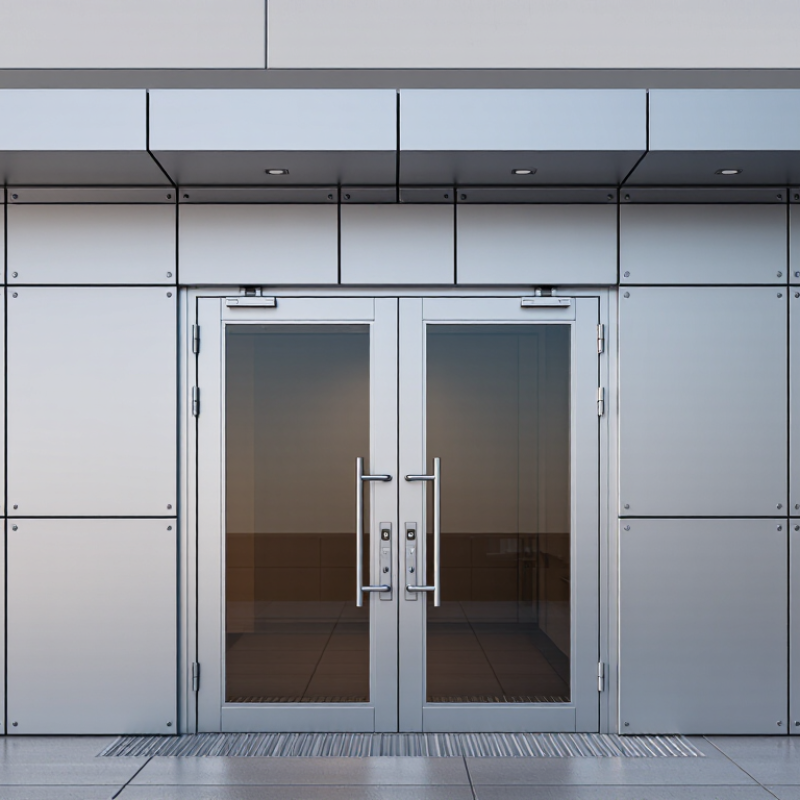
Before requesting aluminum door quotes, map the opening and how people use it. Measure the clear width and height at several points; older buildings are rarely perfectly square. Note whether the door serves a busy entrance, a quiet office, or a coastal home. These details affect frame depth, threshold choice, hardware, and expected cycle life. A photo with a tape measure can help suppliers spot constraints early. It is not a substitute for drawings, though.
Tips: Record the rough opening, wall material, traffic level, and preferred swing direction. Note exposure to direct sun, wind-driven rain, salt spray, dust, or temperature swings. Mention narrow access routes if large panels must pass through them. Small details matter.
Define operating conditions before comparing finishes or glass options. A south-facing door may heat up, while a windy site can make a large door harder to control. For commercial use, estimate peak daily openings and identify who will maintain hinges, seals, and closers. At home, consider children, pets, and hands carrying groceries. Ask suppliers for tested performance values and the conditions behind them, not just broad claims. Check the floor level, too; even a modest threshold can catch carts. Recheck measurements on site. People do miss things.
10 Aluminum Door Buying Tips for Global Buyers
Compare Aluminum Door Types, Profiles, and Thermal Performance
Hinged doors suit frequent entry and compact openings. Sliding doors save swing space and can connect a room to a patio. Bifold systems create wider openings, but their multiple panels and tracks need careful alignment. Feel the handle and inspect the rollers; small details affect daily use. Details matter. Ask suppliers for profile sections, not just attractive exterior photos. A deeper frame does not automatically mean better insulation. Look for a thermal break separating the inner and outer aluminum, plus continuous seals around the sash. Compare whole-door thermal data under the same test method, rather than relying only on glass figures.
Tips: Match the opening style to how people use the space. Request drawings showing frame depth, drainage paths, and hardware positions. Check whether the quoted performance includes the selected glass, seals, and operating panels. If two figures seem unusually different, ask how each was tested. It can feel awkward to question a polished specification, but unclear details often matter later.
Climate changes the priorities. Cold regions need attention to frame and edge-of-glass heat loss; hot, sunny sites may benefit from suitable glazing and shading. Salt air, wind exposure, and frequent rain also influence finish and drainage choices. Ask for test reports that identify the tested door configuration, size, and operating type. A result from one model may not apply to another. In my experience, the neatest brochure comparison is rarely the whole story. Some specifications remain hard to compare, so keep written answers with the quotation.
Hardware deserves a hands-on check. Open and close the sample several times. The handle should feel firm, and hinges should move without scraping. Ask whether screws, rollers, and locks use corrosion-resistant materials suited to your climate. For large or frequently used doors, confirm the hardware is rated for the panel’s weight and expected use. Small details matter.
Security depends on the complete assembly, not one lock. Check how the frame, glass, hinges, and locking points work together. Request clear information about glazing options and the door’s tested performance, where available. A heavy-looking door is not automatically more secure. That can be easy to overlook.
Finish samples can mislead. View a sample in daylight and shade, since color and sheen may look different indoors. Ask how the coating handles salt air, strong sun, or frequent rain. Confirm the care instructions and finish coverage in writing. I would still inspect a delivered sample before approving a large order; screens and small swatches leave room for surprises.
A reliable aluminum door supplier should be able to show more than a polished catalog. Ask for current quality certificates and check that the company name, factory address, product scope, and expiry dates match your order. Certificates may cover a management system rather than the exact door model, so read the scope carefully. Small detail, big difference.
Request test reports for the proposed door configuration, including frame size, glazing, hardware, and finish. A report for a similar-looking product may not represent the unit you will receive. Confirm who performed the tests and whether the laboratory is appropriately accredited for that work. If details are missing, ask for clarification in writing.
Export readiness is equally practical. Ask how doors are protected against moisture, scratches, and movement during shipping; request photos of packaging before dispatch. Confirm the supplier can provide accurate packing lists, invoices, and origin documents required by your destination market. Check lead times against production capacity, not just a sales estimate. A sample shipment can reveal issues that a video call cannot. I would still leave room for uncertainty: even a careful supplier can make mistakes, and inspection plans should reflect the value and complexity of the order.
Checklist coverage: supplier quality (3 items), product performance (3), certifications (2), and export readiness (2). Counts represent the items in this buyer checklist, not market statistics. Confirm applicable standards and requirements for the destination market.
A low unit price can hide costly gaps. Ask for separate pricing for frames, glazing, hardware, packing, freight, insurance, and replacement parts. Confirm currency, quote validity, payment milestones, and delivery terms in writing. For shipping, request crate dimensions, gross weight, loading photos, and a clear damage-claim process. UNCTAD’s Review of Maritime Transport 2024 reports that over 80% of world trade by volume moves by sea. Transit time and port handling deserve real attention.
Tip: Compare like with like. Check whether quotes include installation drawings, protective packaging, and spare hardware. One missing item can delay a project.
Before production, send verified opening measurements and wall details; a small site error can leave an expensive gap. Ask for installation instructions suited to the actual substrate, plus written tolerances and fixing details. Confirm who handles site questions, warranty claims, and replacement components, and ask for realistic response times. Request care instructions and a parts list before shipment. The World Bank’s Logistics Performance Index 2023 assesses factors including shipment tracking and delivery timeliness, useful prompts when reviewing a supplier’s logistics plan. Not every delay is predictable. Build contingency time into the schedule, even when the forecast looks comfortable.
Measure the clear opening width and height at several points. Older walls may not be square. Note the wall material, floor level, and preferred swing direction. A photo with a tape measure helps, but it cannot replace drawings.
Record traffic, direct sun, wind-driven rain, dust, and salt exposure. A windy entrance may need a door that is easier to control. Small details matter.
Hinged doors work well for frequent entry and compact openings. Sliding doors save swing space near patios. Bifold doors create wider openings, but their tracks need careful alignment.
Look for a thermal break and continuous seals around the sash. Compare whole-door results tested under the same method. Glass figures alone can be misleading.
Ask for profile sections, frame depth, drainage paths, and hardware positions. Confirm the quote covers your selected glass, seals, and operating panels. A deeper frame is not always better.
Cold sites need attention to frame and glass-edge heat loss. Sunny locations may benefit from suitable glazing and shading. Coastal air and frequent rain also affect finish and drainage decisions.
Match the certificate’s company, factory, scope, and expiry date to the order. Request reports for the exact proposed configuration. A similar-looking model may perform differently.
Ask for packaging photos and protection against moisture, scratches, and movement. Confirm lead times and required shipping documents in writing. A sample shipment can reveal issues; it still cannot predict everything.
Choosing the right Aluminum Door begins with a clear understanding of the project’s purpose, location, traffic, and exposure to weather. Compare suitable door styles and frame profiles, and consider insulation, thermal performance, and expected durability. Hardware, locking options, safety features, and finishes should also match the building’s practical needs and appearance.
Before purchasing, assess the supplier’s quality controls, relevant certifications, and ability to prepare products for export. Compare the full cost, including packaging, freight, installation requirements, and any additional services—not just the unit price. Confirm delivery schedules, warranty terms, spare-parts availability, and after-sales support in advance. Careful evaluation of these points helps buyers select a dependable door solution that fits the project, budget, and operating conditions.