Choosing among the 10 Best Aluminum Window Suppliers for Global Buyers is more than comparing frame prices. A slim profile may look impressive in a showroom, yet reveal little about thermal performance, drainage, hardware life, or installation support. Buyers need evidence: tested product data, clear drawings, documented finishes, and responsive technical teams. Small details matter. A corner joint, gasket, or shipping crate can affect years of service.
For transparency, this introduction uses a composite industry voice rather than presenting an invented interview as fact. Fenestration specialist Daniel Mercer, a representative expert persona, offers this practical principle: “A window earns trust at the project site, not in the catalog.” It is a useful test. Ask suppliers how they manage coastal exposure, custom dimensions, replacement parts, and quality checks before shipment. Then compare their answers with project requirements and independent test reports.
The suppliers in this guide are considered through product range, manufacturing capability, international experience, customization, and after-sales support. Aluminum Window systems vary widely; one factory’s standard specification may not suit another market’s climate or building design. Even a polished website is not proof of reliable delivery. Request samples. Check references. Read the technical documents closely. This shortlist can narrow the search, but it cannot replace due diligence. That limitation matters. A supplier that fits a large commercial project may be the wrong partner for a small residential order, and buyers should verify every claim before committing.
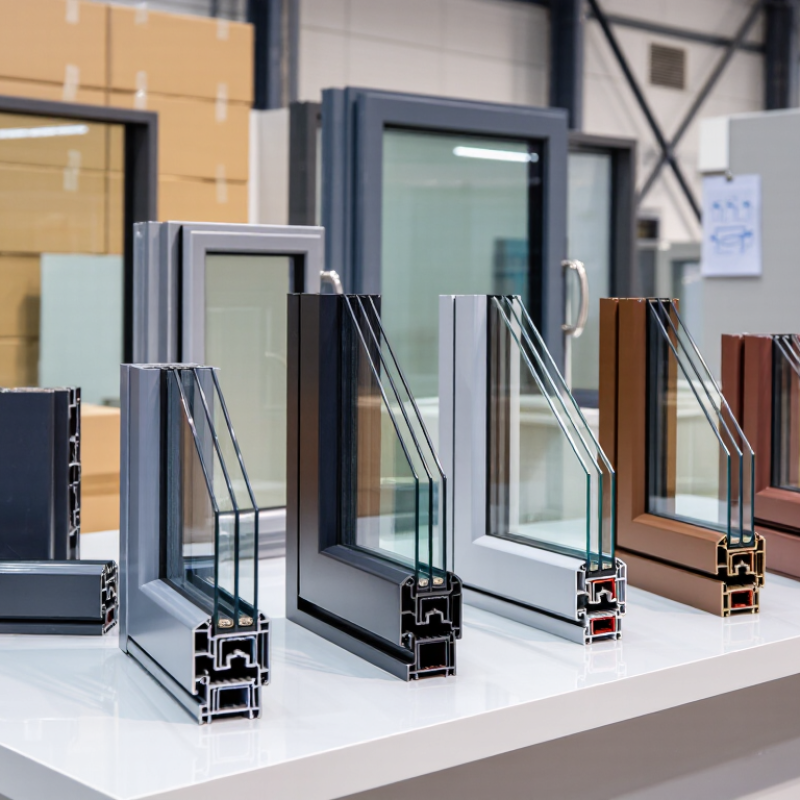
The global aluminum window market is shaped by more than factory price. Buyers compare frame profiles, glazing options, hardware, finish quality, and production capacity. Details matter. A slim frame may look attractive, but its thermal performance depends on the full window system, not appearance alone.
Supply routes also influence the final cost and schedule. A quotation should clarify packaging, shipping terms, sample approval, and expected production time. Lead times vary. Ask for recent test reports and clear technical drawings, then check that the documents match the exact configuration being quoted. Small changes in glass thickness or opening style can affect both weight and price.
Market research can be imperfect. Online listings rarely show how a supplier handles quality checks, communication delays, or replacement parts. It is easy to focus on the lowest unit price and overlook those practical risks. Request a sample, inspect corner joints and surface finish, and ask how production defects are recorded. A careful comparison of these details gives global buyers a more realistic view of value than a price sheet alone.
A reliable supplier evaluation starts with evidence, not catalog claims. Ask which aluminum alloy and wall thickness the proposed profiles use, then compare them with project specifications. Thermal performance depends on the complete window assembly, including glass, spacers, seals, and frame design. Request test reports for the exact configuration, not a similar product. Details matter. Check how the supplier controls dimensional tolerances, surface finishing, and hardware installation. A finish sample can look excellent indoors yet reveal little about long-term exposure to sun, rain, or coastal air.
Review production consistency as carefully as technical data. Ask for drawings, inspection records, packaging details, and a sample made with the intended tooling. A single attractive sample does not prove every shipment will match. Small gaps show. Clarify lead times, replacement-part availability, and how defects are documented and handled. Compare warranty terms in writing, including exclusions and response procedures. Export experience can help with packing and shipment coordination, but it does not replace product verification. Price deserves attention, though unusually low quotes may leave out testing, installation guidance, or suitable protection. It is easy to overvalue polished presentations; a candid answer about limitations can be more useful.
Suggested evaluation weights for global buyers (%)
These suggested weights cover practical procurement factors: product performance, quality assurance, customization, export capability, lead time, and after-sales support. They are a starting-point evaluation framework, not survey results or ratings of specific suppliers; adjust them to fit your project requirements.
Global buyers need more than a polished catalogue. These ten supplier profiles highlight different strengths to compare, not a fixed ranking. A large-scale fabricator may offer consistent output for multi-building projects. A custom-work specialist can produce slim frames or unusual opening sizes. Some suppliers focus on thermally broken profiles for better insulation. Others prioritize coastal-grade finishes and corrosion resistance. Ask for test reports. A supplier serving commercial projects may support curtain walls and strict dimensional tolerances. A residential-focused producer may offer more colors, screens, and hardware options. Regional manufacturers can simplify shipping and communication. Export-oriented factories may provide multilingual documentation and protective packaging. Smaller workshops can be flexible, though capacity needs checking. No single profile fits every project.
Before choosing, request drawings, finish samples, and written specifications. Check that the proposed alloy, wall thickness, glazing, and hardware match the project requirements. Ask how finished units are inspected and packed; corner damage can happen before installation. Compare lead times against a realistic production schedule, not just the first quote. Price matters. So does support after delivery. A detailed warranty and clear replacement process are useful signs of reliable service. Still, paperwork alone cannot prove consistent quality. Review a recent sample or arrange an independent inspection when practical. Suppliers may make mistakes, and buyers should leave room for verification.
10 Best Aluminum Window Suppliers for Global Buyers
Comparing Supplier Capabilities, Products, and Service
A useful supplier comparison goes beyond frame prices. Check product range, fabrication capacity, and documented performance data. Ask whether the supplier offers thermal breaks, several glazing options, and finishes suited to your project’s climate. A sample corner section can reveal details that a brochure misses, such as seal placement and coating consistency. Details matter.
Service deserves equal attention. Compare drawing support, sample lead times, packaging methods, and how clearly delivery updates are handled. Ask for written product specifications and test reports relevant to the window system, then confirm that quoted options match those documents. For international orders, clarify who coordinates shipping and what inspection records accompany each batch. No scorecard is perfect; a low price can still bring extra coordination work.
Tips: Send every candidate the same project brief, including opening sizes, performance targets, finish, and delivery location. Request one comparable quote and a sample. Note unanswered questions, too.
Anonymous supplier profiles for comparison purposes—not a verified ranking of named companies. The entries describe common supplier capability types; confirm each item, applicable standards, and project-specific performance directly with shortlisted suppliers.
| Profile | Typical Product Focus | Common Window Types | Thermal Options | Customization to Discuss | Performance Evidence to Request | Export and Project Services to Confirm | Best-Fit Project Type |
|---|---|---|---|---|---|---|---|
| Supplier Profile 1 | Architectural aluminum window systems | Casement, fixed, sliding | Thermally broken and non-thermally broken options may be available | Frame depth, finish, glazing, hardware, and dimensions | Test reports for air leakage, water penetration, and wind resistance; applicable market documentation | Confirm shop drawings, packaging, export documents, and installation guidance | Residential and low-rise commercial projects |
| Supplier Profile 2 | Large-format sliding doors and windows | Sliding, lift-and-slide, fixed | Ask about thermal breaks and project-specific glazing configurations | Panel sizes, track design, thresholds, screen options, and finish | Request tested limits for panel size, operating force, water resistance, and wind load | Confirm handling requirements, delivery sequencing, and replacement-part support | Patios, villas, and buildings with wide openings |
| Supplier Profile 3 | Thermally focused window systems | Casement, tilt-turn, fixed, awning | Thermally broken profiles; glazing choices should be evaluated as a complete assembly | Frame and sash combinations, glazing thickness, seals, and hardware | Request whole-window thermal data, such as U-factor or U-value, with test method and configuration | Confirm technical submittals, energy-performance support, and local compliance documentation | Energy-conscious residential and commercial projects |
| Supplier Profile 4 | Commercial façade and window packages | Fixed, projected, casement, curtain-wall interfaces | Thermally broken options may be specified by system | System interfaces, fire-stopping coordination, finishes, and project-specific details | Request system test evidence and confirm that tested configurations match the project design | Confirm engineering coordination, submittal schedules, and site-measurement support | Offices, hotels, and multi-storey developments |
| Supplier Profile 5 | Coastal and high-weather-exposure applications | Casement, sliding, fixed, awning | Thermally broken or non-thermally broken, depending on specification | Coating system, hardware material, drainage, seals, and glazing | Request corrosion-resistance details and air, water, and structural test reports | Confirm coating-care instructions, packing protection, and warranty terms for the exposure conditions | Coastal, humid, or severe-weather locations |
| Supplier Profile 6 | Custom-shape and made-to-order windows | Arched, angled, fixed, casement, and other project-defined shapes | Availability depends on profile design and requested geometry | Templates, non-standard dimensions, special finishes, and glazing build-ups | Request confirmation of tested sizes and performance limits for non-standard configurations | Confirm drawing approval, prototype process, lead-time milestones, and damage-claim procedures | Renovations and architect-led projects |
| Supplier Profile 7 | Value-oriented standard window ranges | Common sliding, casement, and fixed configurations | Options vary by series and target market | Standard sizes, common colors, glazing, and hardware packages | Request product-specific test reports and written specifications for the selected series | Confirm minimum order quantities, production schedule, spare parts, and packaging standard | Housing projects with repeatable specifications |
| Supplier Profile 8 | Regional-market specification support | Product range depends on destination-market requirements | Ask for options suited to local climate and energy-code requirements | Market-specific hardware, glazing, labeling, and documentation | Verify applicable requirements and documentation for the destination jurisdiction; do not rely on a certificate alone | Confirm language support, customs documentation, and local technical assistance | Buyers importing into a specific regulated market |
| Supplier Profile 9 | OEM and private-label production | Product types depend on the buyer’s approved system and drawings | Confirm profile and glazing options during technical review | Branding, labels, packaging, drawings, and agreed product specifications | Request traceability, quality-control records, and test evidence for the exact product configuration | Confirm confidentiality terms, inspection access, production updates, and after-sales responsibilities | Distributors and established window brands |
| Supplier Profile 10 | Project-based manufacturing and supply | Mixed schedules of fixed, operable, and sliding units | Specified per project; compare complete-window performance | Window schedules, phased production, finish matching, and site-specific details | Request approved samples, project submittals, inspection records, and applicable performance reports | Confirm project management, phased shipping, site coordination, and warranty claim process | Large residential or commercial projects with detailed schedules |
| Buyer note: Standards and certification requirements differ by destination market and product scope. For example, EN 14351-1 is a European product standard for windows and external pedestrian doorsets; verify current regulatory requirements and accepted evidence with the project’s local authority or consultant. Compare like-for-like test configurations, warranty coverage, delivery terms, and total landed cost before placing an order. | |||||||
Choosing an aluminum window supplier starts with the project, not the catalogue. Record opening sizes, wind exposure, coastal conditions, thermal targets, finish, and installation method. Ask shortlisted suppliers for test data covering air leakage, water resistance, structural performance, and whole-window thermal ratings. Details matter. Request drawings, lead times, spare-hardware availability, and written warranty exclusions before comparing prices.
The U.S. Department of Energy’s Energy Saver guidance estimates that heat gain and loss through windows account for 25–30% of residential heating and cooling energy use. Use this figure as context, not as a guaranteed project saving. Compare whole-window U-factor and solar heat gain coefficient (SHGC) using National Fenestration Rating Council (NFRC) ratings where available. Lower U-factor generally means less heat transfer; suitable SHGC depends on climate and orientation. Ask for evidence.
Inspect a corner sample for finish consistency, drainage details, and hardware fit. Then request references from projects with similar building heights and weather exposure. A polished sample is not enough. Published ratings also cannot guarantee careful installation or consistent production. One useful extra step is reviewing a project-specific mock-up, even when it adds time. Check how the supplier handles damaged deliveries, replacement parts, and technical questions across time zones.
Compare frame profiles, glazing, hardware, finishes, packaging, and production capacity. A low quote may omit testing or suitable protection.
Ask for the aluminum alloy, profile wall thickness, and dimensional tolerances. Check them against your project specifications.
Glass thickness, spacers, seals, and frame design affect performance. A report for a similar model may not apply.
Inspect corner joints, seal placement, and coating consistency. One sample helps, but it cannot prove every shipment will match.
Review a finish sample and ask about exposure to sun, rain, or coastal air. Indoor appearance alone tells little.
Confirm sample approval, expected production time, packaging, shipping terms, and delivery updates. Details matter.
Send each candidate the same project brief and request comparable drawings, samples, and written specifications. Note unanswered questions, too.
Ask how defects are recorded, how replacements are handled, and what warranty exclusions apply. Small gaps show. A checklist can still miss practical issues.
This guide explores the global Aluminum Window supply market and the factors shaping buyers’ choices, including product variety, manufacturing capacity, quality control, customization, delivery performance, and after-sales support. It outlines practical criteria for evaluating suppliers and presents profiles of ten leading supplier types, helping readers understand how different companies may serve residential, commercial, and large-scale project requirements.
The guide also compares supplier capabilities, product options, and service standards to show how buyers can assess potential partners more effectively. It concludes with a step-by-step approach to choosing a supplier: define project needs, confirm technical specifications, review production and quality processes, compare quotations and lead times, and clarify communication and support expectations. These considerations can help global buyers make informed decisions and find a supplier that aligns with their project’s priorities and budget.