Passivhaus Ready
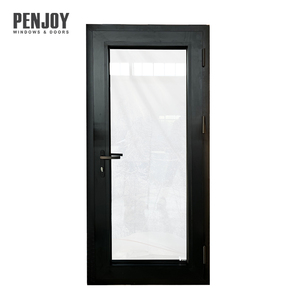
Precision-fabricated architectural systems designed for extreme climatic variations, featuring integrated high-tensile security screens, acoustic-damped profiles, and high-performance multi-point locking mechanics.
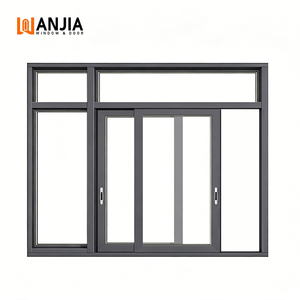
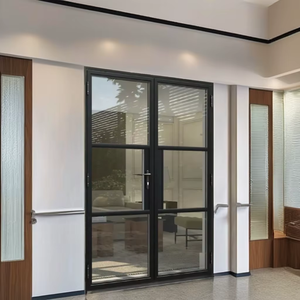
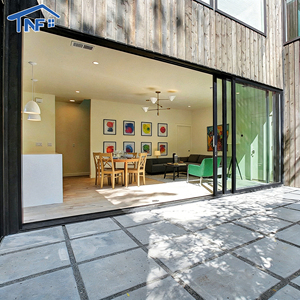
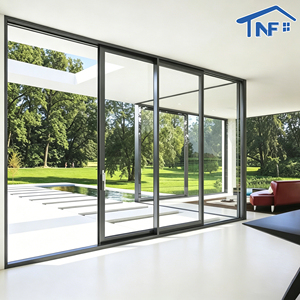
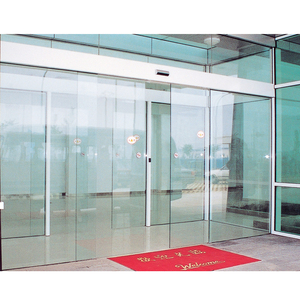
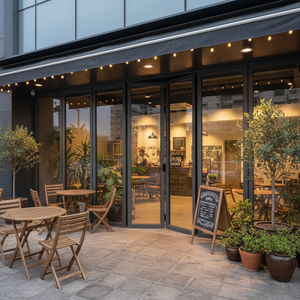
Moving beyond basic insect screening: how modern metallurgy, thermal barriers, and precision CNC perforated meshes create impenetrable, thermally isolated, and architecturally stunning fenestration.
In high-end architectural envelope design, the typical failure point of conventional security jali (mesh) doors has historically been galvanic corrosion and unchecked thermal conduction. When a metal security screen is mechanically fastened directly to an uninsulated aluminum extrusion, the door assembly acts as a massive thermal radiator in tropical climates and a condensation collector in temperate winters. Under European CE testing standards (EN 14351-1), fenestration must exhibit verified air permeability, watertightness, and rigorous thermal transmission thresholds (U-factor).
Our CE certified manufacturing approach relies exclusively on primary billet 6063-T6 aluminum, cold-drawn with tight dimensional tolerances within ±0.15mm. Profiles integrate multi-chambered polyamide (PA66 GF25) thermal breaks reinforced with 25% structural glass fiber. This composite matrix lowers overall profile thermal conductivity (Uf) below 1.6 W/(m²·K). By decoupling exterior heat from interior livable spaces, building envelopes maintain Passive House integrity without compromising the high-shear resistance demanded by modern multi-point locking perimeter security systems.
Traditional Indian and Middle Eastern "Jali" patterns served double duty: providing intimate visual privacy while channeling cross-ventilation via the Venturi effect. In our modern manufacturing framework, we synthesize this microclimate heritage with cutting-edge aerospace-grade metals. Specifiers can choose between two fundamental architectural screen typologies:
| Performance Dimension | Marine-Grade SS316 Woven Mesh (0.8mm - 1.0mm) | Precision CNC Cast / Plate Aluminium Jali (3.0mm - 6.0mm) |
|---|---|---|
| Knife Shear Resistance | Exceeds AS5039 / EN 1627 RC3 classification | Monolithic plate shear resistance; virtually uncuttable by handheld tools |
| Corrosion Resistance (Salt Spray) | ASTM B117 > 3,000 Hours (Marine Pre-treatment) | Qualicoat Class 2 Fluorocarbon (PVDF) > 4,000 Hours |
| Free Airflow Coefficient | ~42% - 48% continuous laminar ventilation | 30% - 65% custom geometric parametric perforations |
| Structural Wind Load Capacity | Up to 4.5 kPa cyclic wind pressure tested | Custom structural stiffeners withstand hurricane-rated wind loads (> 5.0 kPa) |
Each screen or perforated lattice panel is secured inside the frame using our patented concealed perimeter wedge compression system, completely isolating unlike metals to prevent galvanic reaction while resisting continuous crowbar pry forces exceeding 4500N.
Strategic directions informing commercial tenders, luxury villa specifications, and international distribution pipelines from 2025 to 2030.
Developers are eliminating separate secondary screen doors. Next-generation tenders require a mono-frame or integrated dual-sash assembly where thermal-break glass and hurricane-rated anti-theft jali screens share a single architectural threshold, cutting installation labor costs by 40%.
CE marked jali screens are transitioning from purely decorative grilles to solar heat gain control devices. Using software-driven parametric daylight studies, perforated aluminum panels are engineered to block high-angle harsh summer radiation while allowing low-angle winter sunlight.
Procurement teams now prioritize doors pre-routed for concealed electromagnetic multi-point strikes, hidden reed sensors, and biometric entry systems compatible with Zigbee, BACnet, and KNX building automation protocols.
With tightening ESG benchmarks in Europe and North America, tenders heavily favor manufacturers utilizing post-consumer recycled hydro-electric smelted aluminum billets. Third-party verified Environmental Product Declarations (EPDs) will soon become standard prerequisites.
Fenestration destined for coastal zones (GCC, Florida, Australia, Southeast Asia) requires rigorous Qualicoat Seaside certified powder coatings and fluorine resin coatings that protect against salt crusting, micro-abrasive desert storms, and prolonged UV exposure.
Top tier architectural practices no longer accept generic PDF shop drawings. Procurement success demands ready-to-import LOD 350 BIM models embedded with actual thermal parameters, opening envelopes, and hardware load calculations.
Backed by 25+ years of fenestration engineering excellence, operating from our massive Foshan intelligent manufacturing hub to service tier-one contractors, architects, and private residential developers worldwide.
Our proprietary invention patent integrates simultaneous multi-directional shoot bolts around all four frame sashes, offering unparalleled anti-crowbar resistance that surpasses standard single-point latch competitors.
Every extrusion, gasket, jali mesh inset, and glass unit undergoes rigorous factory acceptance testing for air infiltration, corner crimp weld strength, and seamless hardware operation before international packaging.
Full conformance with CE (European Standard EN 14351-1), NFRC (USA Thermal Certification), AS2047 (Australian Windows), CSA (Canada), Energy Star, ISO 9001, and rigorous Hurricane Impact testing benchmarks.
Direct technical clarifications for facade engineers, quantity surveyors, project architects, and overseas procurement specialists.