Precision Engineered Aluminium Window & Door Systems
Constructed with high-tensile 6063-T5/T6 structural aluminium extrusions, multi-chambered thermal barriers, and heavy-duty hardware systems rated for demanding architectural projects worldwide.
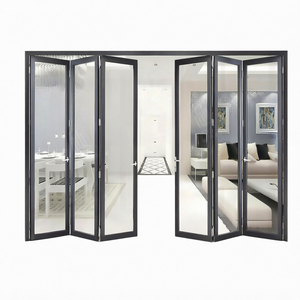
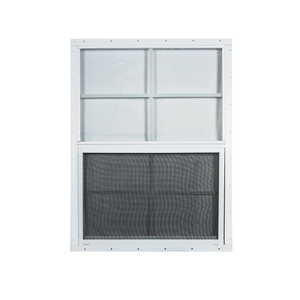
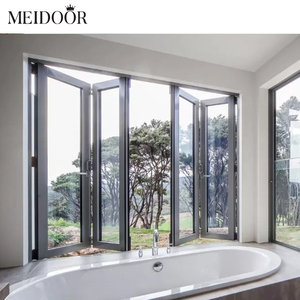
Industrial Blueprint: Anatomy of High-Performance Casement Systems
A comprehensive evaluation of mechanical design, metallurgical standards, and thermal interruption barriers required for enterprise procurement.
Aluminium casement windows serve as the frontline defense against climatic extremes in residential and commercial architectural structures. When sourcing from Chinese manufacturers, identifying high-tier fabricators versus secondary assemblers requires deep scrutiny into profile extrusion, polyamide thermal barrier formulation, gasket elasticity coefficients, and multi-point hardware mechanics.
Standard architectural fenestration often suffers from significant thermal bridges if non-insulated aluminum sections are deployed. Advanced casement windows engineered by top-tier Chinese manufacturers incorporate polyamide PA66 GF25 insulation strips (reinforced with 25% glass fiber). This composite structural barrier achieves coefficient of thermal expansion parity with aluminum alloys (6063-T5 or 6063-T6), mitigating structural delamination under extreme thermal cycling ranging from sub-zero conditions to desert temperatures exceeding 50°C.
Furthermore, weatherproofing efficiency hinges upon the physical compression seal. Premium configurations leverage continuous vulcanized EPDM (Ethylene Propylene Diene Monomer) rubber gaskets configured across dual or triple-barrier containment perimeters. Coupled with precision corner crimping reinforced by structural cast aluminum brackets and two-component injected polyurethane corner sealants, the casement sash guarantees zero air infiltration and impervious water tightness under driving rain conditions.
| Engineering Attribute | Standard Commercial Grade | Premium DERCHI Export Specification | Testing Protocol / Compliance |
|---|---|---|---|
| Alloy Metallurgy | Recycled 6063 Aluminum Profile | Primary Virgin 6063-T5 / 6063-T6 Structural Profile | GB 5237 / ASTM B221 |
| Profile Wall Thickness | 1.2 mm - 1.4 mm | 1.8 mm - 2.2 mm (Ultra-rigid sash & frame) | AAMA / AS2047 High-Wind Structural Standard |
| Thermal Insulation Strip | PVC or low-grade polyamide | PA66 GF25 Technoform Polyamide Thermal Strut | DIN 16941 / ISO 527 |
| Glazing Architecture | 5mm + 6A + 5mm Tempered Clear | 6mm Low-E + 16Ar (Argon) + 6mm Warm-Edge Spacer | NFRC / CE EN 1279 / CSA Certified |
| Locking Security | Single or Two-point Cam Latches | Patented Four-Side Six-Point Anti-Theft Lock Mechanism | PAS 24 / RC2 Burglar Resistance |
| Surface Coating | Standard Powder Coating (30-40µm) | Fluorocarbon (PVDF) 3-Coat or Qualicoat Class 2 (60-80µm) | AAMA 2605 / 10-Year Coastal Warranty |
Procurement & Technological Trends Shaping Casement Systems
Anticipating engineering paradigms, carbon footprint demands, and hardware shifts for commercial developments through 2026–2030.
Passive House & Ultra-Low U-Values
Procurement requirements are rapidly shifting towards whole-window Uw values below 0.8 W/(m²·K). Suppliers must offer multi-cavity thermal break designs filled with aerogel or polyurethane foams alongside triple-glazed argon configurations.
Minimalist Concealed Hardware
Architectural preference heavily leans toward flush sash designs with completely concealed hinges capable of supporting oversized panes exceeding 120 kg per sash, eliminating visible clutter while maintaining 180° swing functionality.
Automated Mechatronic Integration
Commercial buildings increasingly mandate motorized concealed actuators integrated with Building Management Systems (BMS), driving automated night cooling, sandstorm-responsive closure, and rain-sensor automation.
Circular Economy & Low-Carbon Aluminium
International buyers demand Environmental Product Declarations (EPD). Suppliers are transitioning to hydro-powered aluminium smelting and closed-loop scrap recycling to mitigate carbon border adjustment taxes (CBAM).
Extreme Microclimate Adaptability
Standardizing windows for both intense desert UV exposure and hurricane-force marine winds requires dual-purpose certifications, incorporating Class 2 Qualicoat standards and laminated SGP impact interlayer glazing.
Turnkey BIM & Drawing Digitization
Procurement friction is minimized when manufacturers furnish native BIM/Revit families and millimetric shop drawings, expediting structural sign-offs between developers, architects, and engineering consultants.
The DERCHI Manufacturing Advantage: Zero-Error Infrastructure
Operating from our 180,000 m² advanced production base in Foshan, Guangdong Dejiyoupin Doors and Windows Co., Ltd. (DERCHI) represents China's gold standard in fenestration fabrication.
100+ National Patents & Locking Inventions
Proprietary inventions including our Four-Side Six-Point locking hardware deliver unparalleled forced-entry security and acoustic insulation, establishing our brand as an innovation benchmark.
25+ Years of Engineering Heritage
Over a quarter-century of dedicated manufacturing competence supplying global hotel flagships (such as Hilton and Atour), royal residences, and mega-residential projects across 100+ countries.
Global Testing Compliance
All fenestration systems are strictly audited and fully accredited with CE (EU), NFRC (USA), AS2047 (Australia), CSA (Canada), Energy Star, and ISO 9001 quality management systems.
180,000 m² Intelligent Fabrication Facility
Employing 600+ skilled personnel and over 30 dedicated R&D structural engineers, our annual capacity exceeds 1,000,000 m² of windows, doors, sunrooms, and bespoke systems.
Full-Spectrum Export Support
From preliminary shop drawing generation, thermal calculations, and on-site dimension audits to sea-freight reinforced steel crate packaging and installation supervision.
National Media Endorsement
Recognized as a "China Famous Brand" by Xinhua News Agency, DERCHI maintains a globally trusted reputation backed by more than 300 international franchise points and showrooms.
Frequently Asked Technical & Sourcing Questions
Clear, authoritative insights addressing procurement, compliance, packaging, and engineering specifications for international projects.
What parameters define thermal break efficiency in aluminum casement windows?
How do Chinese manufacturers safeguard against dimensional errors in bespoke villa projects?
What certifications are mandatory when importing aluminium windows to the USA, EU, or Australia?
How are fragile glass assemblies protected during international sea freight?
Can casement window profiles be color-matched to custom architectural finishes?
Partner with China's Premier Aluminium Casement Manufacturer
Whether you are engineering a commercial development, a luxury villa estate, or expanding your national distribution network, our technical engineering team is prepared to review your architectural drawings and provide millimetric solutions.