High-Performance Glazed Window & Door Systems
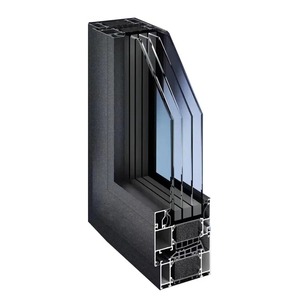
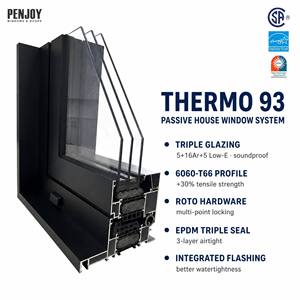
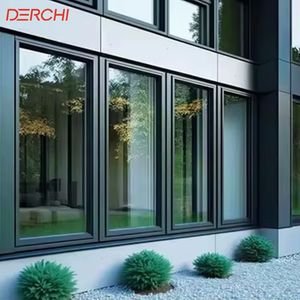
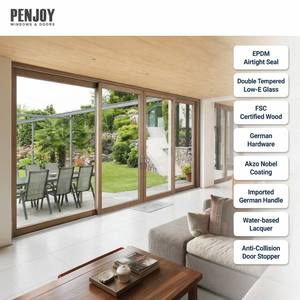
Engineered to satisfy demanding international fenestration standards (AS2047, NFRC, CE, CSA), our aluminium architectural glazing systems integrate multi-chambered polyamide thermal breaks, multi-point locking gear, and low-emissivity insulated glazing units.
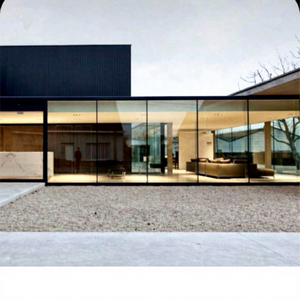
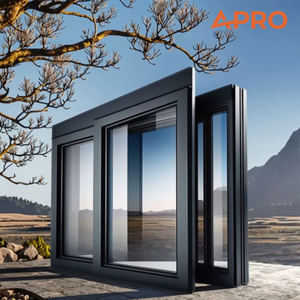
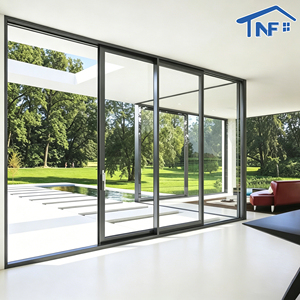
Global Procurement Benchmarks for Architectural Aluminium Glazed Systems
Specifying building envelope solutions from Chinese fenestration exporters demands rigorous verification of extrusion metallurgy, thermal boundary decoupling, and structural deflection limits. Guangdong Dejiyoupin Doors and Windows Co., Ltd. (operating the internationally recognized DERCHI brand) addresses high-performance architectural needs by combining continuous robotic assembly with European thermal break technology.
For coastal and desert installations—such as projects across the GCC, coastal Australia, and Florida—fenestration engineering must account for cyclical wind pressures and fine-particle sand infiltration. Dual-extrusion co-molded EPDM gaskets with continuous vulcanized corner boots ensure air infiltration rates below 0.1 m³/(h·m²), keeping structural assemblies clean and energy-efficient over decades.
| Engineering Attribute | Standard Grade | DERCHI Industrial Benchmark |
|---|---|---|
| Aluminium Alloy | Recycled Scrap 6063 | Virgin 6063-T5 / 6060-T66 Billets |
| Thermal Barrier | Low-grade PVC Inserts | Technoform PA66 GF25 Polyamide |
| IGU Edge Seal | Single Polyisobutylene | Dual-Seal PIB + Structural Silicone |
| Hardware Mechanism | Single-Point Zinc Latch | Patented 4-Side 6-Point Steel Locks |
| Corrosion Standard | Class 1 Powder Coat | AAMA 2605 / Qualicoat Seaside C5-M |
| Air Tightness | Class 2 (300 Pa) | Class 4 / NFRC Air Infiltration ≤ 0.05 |
Future Sourcing Trends in Architectural Glazing Systems
Commercial developers, façade consultants, and general contractors are adapting procurement strategies to balance operational carbon limits, intelligent automation, and climate resiliency.
Ultra-Low Carbon Extrusions
Global carbon border adjustment mechanisms (CBAM) are shifting procurement toward certified low-embodied-carbon primary billets smelted using renewable hydroelectricity, backed by third-party Environmental Product Declarations (EPD).
Vacuum Insulated Glazing (VIG)
The convergence of slimline profiles with thin-core tempered vacuum insulated glass eliminates the need for bulky triple-glazed sashes, achieving central glass U-factors down to 0.45 W/m²K while reducing hinge loads.
Automated & BIPV Fenestration
Concealed smart drive operators integrated with Building Automation Systems (BAS), paired with solar photovoltaic vision glass, transition passive window fenestrations into active power-generating building elements.
Extreme Resilience & Security
With volatile global weather patterns, projects require multi-hazard glazing: engineered resistance to hurricane-force missiles, high cyclic wind-loads (>5000 Pa), and patented anti-burglary multi-point hardware.
Why Tier-1 Contractors Partner with Guangdong Dejiyoupin (DERCHI)
Operating from Foshan—the global center of aluminium innovation—DERCHI provides institutional-grade engineering, bespoke architectural manufacturing, and complete international compliance documentation.
Zero-Error Intelligent Manufacturing
Every profile undergoes CNC multi-axis milling, automated crimping with corner joint injection adhesives, and laser dimension checks. This pre-assembly verification ensures precision fit-outs on job sites across North America, the Middle East, and Australasia.
End-to-End Technical Drawing & R&D
Our internal technical team of 30+ façade engineers and structural draftspersons translates architectural CAD and Revit models into custom production shop drawings, complete with static structural calculations and wind pressure simulations.
Custom Export Crate Packaging
Export glass travels through rough ocean freight. We isolate every unit with protective films, closed-cell corner guards, desiccant packs, and heavy-duty steel-reinforced fumigated timber crates, achieving a safe arrival rate exceeding 99.8%.
Frequently Asked Questions on Fenestration Sourcing
Direct technical answers from our senior engineering team to help you navigate import compliance, structural testing, and site installations.
Ready to Engineer Your Project's Fenestration Package?
Upload your architectural schedules, window elevations, or project tender specifications. Our technical engineering desk will deliver an initial evaluation, static analysis estimate, and factory-direct quotation within 24 hours.