Certified Double Glazed Systems & Fenestration Assemblies
Constructed with structural primary architectural 6063-T6/T5 aluminium profiles, heavy-duty polyamide PA66 thermal barrier breaks, and automated argon-filled insulated glass units designed for maximum acoustic comfort and ultra-low U-values.
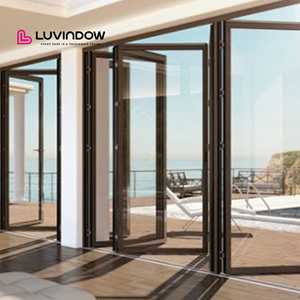
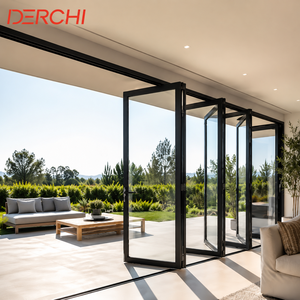
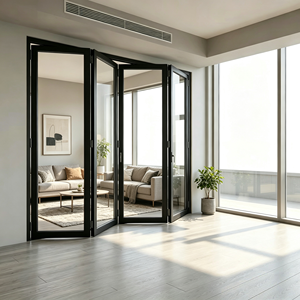
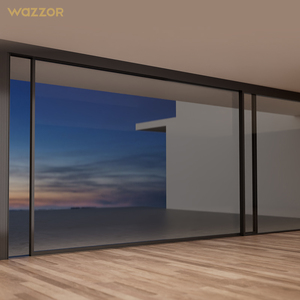
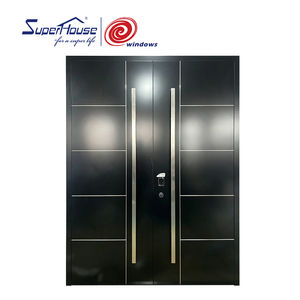
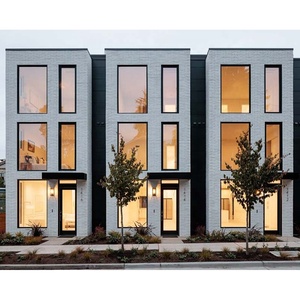
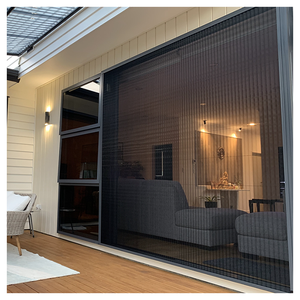
Engineering Architecture of High-Performance Double Glazed Aluminium Windows
In contemporary architectural design, the window-to-wall ratio (WWR) continues to increase, placing intense performance demands on exterior fenestration. As an international OEM/ODM aluminium double glazed windows manufacturer and supplier, Guangdong Dejiyoupin Doors and Windows Co., Ltd. (operating the DERCHI global infrastructure) engineers thermal barrier envelope assemblies that transcend simple aesthetic requirements. The modern double glazed aluminum window operates as a dynamic, thermodynamic micro-system composed of multi-chambered 6063-T6 extrusions, continuous polymide insulation barriers, warm-edge structural spacers, and dual-pane hermetically sealed insulated glass units (IGUs).
The fundamental vulnerability of historic aluminum fenestration lies in the high thermal conductivity of raw aluminium (λ ≈ 160 to 200 W/m·K). Left unmitigated, framing profiles act as intense thermal bridges, inducing substantial HVAC cooling or heating loads and provoking condensation at interior dew points. Our custom extrusion dies integrate high-density Polyamide PA66 reinforced with 25% chopped glass fiber (PA66 GF25). This barrier drops frame thermal conductance down to Uf ≤ 1.6 - 2.1 W/m²·K, preventing inward heat flux in scorching regional climates (such as the GCC, Middle East, and Southwest North America) while stopping interior thermal bleed in cold climate zones.
| Performance Index | Structural Glazing Parameter | Standard Specification (OEM Baseline) | High-Spec Custom Architecture (ODM Target) |
|---|---|---|---|
| Thermal Transmittance (Uw) | Overall Window System U-factor | 1.8 – 2.2 W/m²·K (ISO 10077-1) | 1.1 – 1.4 W/m²·K (Triple/Low-E/Argon Warm-Edge) |
| Solar Heat Gain (SHGC) | Spectrally Selective Solar Control | 0.35 – 0.42 (NFRC rated) | 0.21 – 0.28 (Double Magnetron Sputtered Low-E) |
| Acoustic Attenuation | Acoustic Decibel Rating (STC / Rw) | Rw 32 - 35 dB (6mm + 12A + 6mm) | Rw 42 - 47 dB (Acoustic PVB Laminated + Double Glazed) |
| Structural Wind Load | Deflection Resistance | Class 3 / 2400 Pa (EN 12210) | Class C5 / 4500 – 5000 Pa (Hurricane Impact Tested) |
| Air Permeability | Air Tightness Infiltration Rate | Class 3 (EN 12207) | Class 4 / 600 Pa (Continuous Multi-tier EPDM Gasketing) |
| Water Tightness | Resistance to Static Pressure Drive | Class 7A / 350 Pa (EN 12208) | Class 9A / E1050 Pa (Engineered Cascade Drainage) |
Beyond raw profile geometry, the structural performance of the Insulated Glass Unit (IGU) dictates acoustic isolation and radiant energy modulation. In our automated robotic glass production lines, the perimeter seal utilizes a dual-barrier system: a primary polyisobutylene (PIB) matrix backed by a structural secondary silicone or polysulfide sealant conforming to EN 1279 standards. Cavities are filled to ≥90% concentration with high-purity inert Argon gas (Ar), substantially mitigating internal convective loops and conductive energy exchange.
Proprietary Engineering Strengths & Factory Precision
From single villa compound fabrication to phased multinational commercial tower consignments, our manufacturing capacity eliminates on-site assembly variance through factory automation.
180,000 m² Production Base
Operates automated German CNC 5-axis profile machining centers, precision Italian automated cutting saws, and automated robotic IGU insulating production lines delivering an annual capacity exceeding 1,000,000 m².
Patented 4-Side 6-Point Multi-Lock
Our exclusive national invention patent: an integrated multi-point locking mechanism that locks all perimeter sash sides simultaneously, boosting forced-entry deterrence and wind-load structural resistance to Class C5 standards.
Xinhua "China Famous Brand" & Global Audits
Formally verified and endorsed by the national Xinhua News Agency. Fully certified for global commercial handover including CE (EU EN 14351-1), AS2047 (Australia), NFRC/CSA (North America), and ISO 9001 quality audits.
30+ In-House R&D System Engineers
Our internal technical drafting unit delivers turnkey shop drawings, wind-pressure static moment computations, BIM Level 2 families, and custom extrusion tooling for bespoke architect-specified sightlines and mullions.
Zero-Error Quality Assurance (360° Inspection)
Every corner joint is assembled using high-pressure pneumatic corner-crimping machines with structural adhesive injection. Sashes undergo 100% laser diagonal calibration, helium leak testing, and gasketing seal checks before shipment.
Extreme Climate Engineering (GCC & Coastal Resilient)
Specifically engineered for intense desert solar loads, dust storms, and coastal salt-spray humidity. Utilizing anti-corrosion Qualicoat Seaside Class 2 powder coatings, continuous vulcanized EPDM gaskets, and concealed sand-deflection drainage routes.
Key Procurement Trends in Aluminium Fenestration (2025–2030)
For property developers, general contractors, and tier-one importers, sourcing aluminium windows and doors requires anticipating shifting regulatory standards, decarbonization targets, and smart automation.
Low-Carbon Recycled Billets
Procurement specifications increasingly mandate Environmental Product Declarations (EPDs). Sourcing now requires secondary recycled aluminum billets (hydro-powered or circular scrap alloy) cutting embodied carbon to under 4.0 kg CO2e/kg Al.
BIM Level 2/3 Integration
OEM/ODM manufacturers must deliver fully parameterized LOD 350-400 BIM objects. These models embed exact thermal metrics, mechanical dead-load stresses, and structural fixings directly into Revit and ArchiCAD models to eliminate site clashes.
Ultra-Slim Visible Sightlines
Architects demand maximum glazed viewing surfaces. Trends favor structural silicone bonding where the glass panel contributes to structural rigidity, allowing sash face widths as slim as 28mm to 45mm without degrading wind load ratings.
Integrated IoT & Concealed Actuators
Motorized casements, concealed magnetic contact sensors, and motorized multi-point locks integrated directly into building management systems (BMS). Enables automatic night purge ventilation and automated hurricane shutter deployment.
Engineering Development Frontiers in Double Glazed Aluminium Systems
The global aluminium fenestration industry is undergoing a structural shift driven by stringent energy efficiency directives (such as the EU Energy Performance of Buildings Directive, California Title 24, and GCC Estidama/Sa'fat green building regulations). The transition from standard double glazing to optimized multi-functional envelope skins involves three core engineering disciplines:
1. Nanoscale Magnetron Sputtered Coatings: Next-generation double glazed units utilize off-line triple-silver Low-E coatings applied to surface #2 or #3 within the IGU. These ultra-thin metallic film stacks selectively transmit visible wavelengths while reflecting long-wave infrared radiation and absorbing near-infrared heat. The result is a dramatically reduced Solar Heat Gain Coefficient (SHGC ≤ 0.23) while maintaining Visible Light Transmittance (VLT ≥ 65%), eliminating the dark or overly mirrored aesthetic typical of legacy solar-control tinted glass.
2. Hybrid Warm-Edge Spacer Technology: Traditional hollow aluminum spacer bars act as continuous perimeter cold bridges around the perimeter of glass panels, inducing edge condensation and degrading overall window system U-factors. Modern manufacturing lines replace aluminum spacers with engineered composite hybrid warm-edge spacers (constructed from stainless steel and structural polypropylene, or silicone structural foam embedded with 3A molecular sieve desiccants). This technology elevates edge-of-glass temperatures by up to 6°C and reduces overall frame-and-glass Uw values by up to 0.25 W/m²·K.
3. Extreme Weather & Acoustic Lamination: Urban expansion along coastlines and noisy arterial transit corridors requires dual-function IGU build-ups. By combining an exterior toughened glass pane with an asymmetric interior acoustic laminated pane (e.g., 6mm Low-E Tempered + 16Ar + 4mm + 0.76mm Sound-Insulating PVB + 4mm Clear), the assembly disrupts airborne resonant frequency transmission, dampening traffic low-frequency noise (Rw + Ctr) by over 38-42 decibels while meeting rigorous ASTM E1886/E1996 hurricane missile impact tests.
Our 8-Step Precision Engineering Delivery Protocol
From structural concept to jobsite offloading, every order is processed through our documented Quality Management Framework, eliminating installation delays and field corrections.
Architectural Drawing Audit
Thorough evaluation of elevations, rough openings, structural sub-frame steel, and architectural window schedules.
Custom Tooling & R&D
System configuration, wind load moment of inertia static checks, and extrusion die design tailored to project loads.
Technical Submittal Pack
Comprehensive CAD cross-sections, anchor bolt layouts, glass stress engineering data, and thermal calculation reports.
Sample Approval & Mockup
Full-scale corner profile cutaways, powder coating color swatches, and physical pre-production test mockups.
Contract Lock & Production Booking
Procurement of dedicated 6063-T6 virgin billets, scheduling automated production queues, and quality hold-point setup.
On-Site Dimension Audit
Laser coordinate or 3D point cloud dimensional verification of structural openings before final profile cutting.
360° QC & Export Crating
Helium leak detection on IGUs, multi-point hardware cycle tests, and fumigated steel-frame plywood crating.
Installation Guidance Support
Comprehensive bilingual installation manuals, sub-frame fixings layout, and real-time remote/on-site engineering support.
Frequently Asked Questions for Commercial Buyers
Clear technical answers addressing critical engineering, lead time, customization parameters, and supply chain logistics for B2B stakeholders.
How do you ensure zero thermal bridging in extreme GCC or desert summer conditions?
What international fenestration certifications can you provide with shipment?
What surface treatment standards are used to resist coastal corrosion and high UV exposure?
Can your factory manufacture custom architectural extrusion dies for bespoke project designs?
How do sliding and bifold systems prevent sand and wind ingress during seasonal storms?
What are the typical lead times for containerized commercial volume consignments?
Plan Your Next Commercial or Luxury Villa Development With DERCHI
Connect directly with our senior engineering estimating desk. Share your architectural schedules, CAD elevations, or custom extrusion specifications to receive comprehensive static wind-load calculations, glass U-value optimizations, and factory-direct pricing within 24 hours.