Featured Commercial & Residential Aluminium Systems
Direct-from-factory architectural profiles certified under AS2047, NFRC, CE, and CSA standards. Engineered with high-tensile 6063-T5/T6 alloy and advanced polyamide thermal barriers.
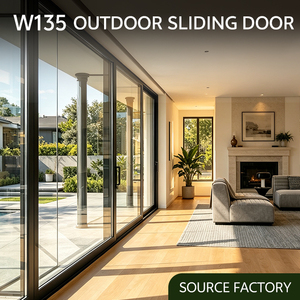
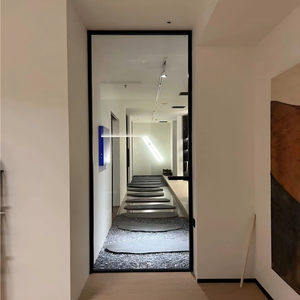
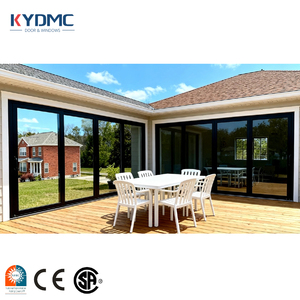
Global Aluminium Windows Price Benchmarks & Cost Composition
Understanding raw material allocation, extrusion alloys, thermal break engineering, and export freight dynamics to optimize project pro-forma budgets.
In international commercial and luxury residential fenestration, searching for reliable aluminium windows prices requires looking beyond broad square-meter estimates. Export pricing for architectural aluminium windows varies widely—from $85 to over $650 per square meter (FOB). This variance is driven by alloy temper grades, polyamide barrier geometry, insulated glazing build-ups, architectural coatings, and structural hardware ratings.
Experienced procurement officers, structural facade engineers, and general contractors evaluate pricing by auditing raw material provenance and manufacturing precision. Non-thermal, standard 1.4 mm wall-thickness aluminium casements sit at the lower end of the pricing spectrum, but they fall short under stringent thermal energy mandates like California Title 24, European EN ISO 10077-1, and the rigorous thermal insulation requirements of the Middle East's Gulf Cooperation Council (GCC). In contrast, engineered systems with multi-cavity polyamide PA66 GF25 thermal breaks, triple-glazed argon-injected Low-E glass, and heavy-duty European hardware represent higher capital outlays that are balanced by long-term lifecycle savings and lower building operating costs.
| System Classification | Wall Gauge & Alloy | Thermal Break Spec | Glazing Configuration | Average Price (USD/m² FOB) | Target Architectural Applications |
|---|---|---|---|---|---|
| Standard Non-Thermal | 1.4 mm | 6063-T5 | None (Solid Extrusion) | 5mm + 9A + 5mm Clear Tempered | $85 – $140 | Interior office partitions, tropical non-conditioned spaces |
| Residential Thermal Break | 1.6 – 1.8 mm | 6063-T5 | 14.8 mm – 20 mm Polyamide | 6mm Low-E + 12Ar + 6mm Tempered | $145 – $240 | Multi-family residential developments, light commercial villas |
| Heavy-Duty Architectural | 2.0 – 2.5 mm | 6063-T6 | 24 mm – 34 mm Multi-Cavity PA66 | 6mm Solar Low-E + 16Ar + 6mm Double Laminated | $245 – $380 | Luxury coastal estates, high-wind load towers, GCC climate |
| Passive House Certified | 2.5 – 3.0 mm Structural | 39 mm+ Aerogel / Cellular PA66 | Triple Glazed (Low-E + Warm Edge + Krypton) | $390 – $650+ | Net-zero buildings, severe cold/hot climates, ultra-luxury |
The manufacturing cost structure of export-grade aluminium fenestration typically breaks down into five key elements:
1. Aluminium Ingot Index & Extrusion Complexity (32% - 38%): High-end manufacturers source primary A00 aluminium ingots alloyed to strict 6063-T5/T6 metallurgical tolerances rather than lower-purity scrap remelts. Thicker profile walls (2.0mm to 3.0mm) deliver the moment of inertia required to support large structural glass spans without frame deflection, which naturally increases material cost per linear meter.
2. Polyamide Thermal Insulation Strips (12% - 15%): The thermal bridge is critical to energy performance. Low-cost fabricators often cut corners by substituting inferior PVC strips, which can warp, crack, and fail under extreme heat. Tier-1 manufacturers use exclusively glass-fiber reinforced polyamide (PA66 GF25), precision-crimped into dedicated extrusion teeth to prevent frame sweating and maintain structural shear strength.
3. Insulated Glazing Units - IGU (22% - 28%): Advanced glass build-ups incorporate tempered, laminated, and Low-Emissivity configurations from premium glass producers like AGC, Saint-Gobain, or CSG. Key glass choices—such as single vs. double silver coatings, warm-edge composite spacers, structural silicone seals, and inert gas filling (90%+ Argon)—directly impact final prices and dictate thermal U-values and Solar Heat Gain Coefficients (SHGC).
4. Precision Hardware & Operating Mechanisms (15% - 20%): Fenestration durability depends heavily on its operating hardware. Standard casement friction stays and basic handles may work for simple builds, but engineered projects demand high-capacity multi-point locking gear, concealed 180° hinges, and stainless steel bogie rollers rated for sash weights up to 400 kg. High-spec hardware delivers consistent anti-air-infiltration compression and protects against forced entry.
5. Protective Surface Treatment & Export Packaging (8% - 12%): Industrial surface finishes—including fluorocarbon PVDF spray coatings (compliant with AAMA 2605 for 20+ year coastal UV and salt resistance), architectural powder coatings (AkzoNobel, Tiger), and hard-anodized finishes—round out the cost basis. Finally, fully enclosed ocean-freight steel-reinforced plywood crates prevent transit abrasion and glass breakage during international transport.
Key Technological & Procurement Shifts in Aluminium Fenestration
How changing building energy codes, carbon reporting requirements, and modern architectural aesthetics are reshaping worldwide manufacturing and specification standards.
Low-Carbon "Green" Aluminium Extrusions
Global environmental standards, including the EU Carbon Border Adjustment Mechanism (CBAM) and US LEED v4.1, are accelerating the transition to sustainably produced aluminium. Commercial builders now favor smelters powered by renewable hydroelectricity and profiles made with post-consumer recycled content, which can cut embodied carbon from 16 kg CO2e per kg of aluminium down to under 4 kg CO2e without sacrificing tensile yield strength.
Ultra-Narrow Sightlines & Structural Interlocks
Contemporary architecture prioritizes expansive daylighting and panoramic exterior views. The engineering trend favors ultra-slim profile sightlines—with center interlocks under 20mm—by shifting wind-load resistance into deep, structural aluminium fins reinforced with internal steel mullions. This approach maximizes visible glass area while still meeting stringent international wind-deflection limits.
Smart Automation & Building Management Integration
The boundary between static facades and smart building management systems (BMS) is disappearing. Modern installations increasingly feature concealed DC motorized operators, magnetic sensor reed switches, smart electrochromic switchable glass, and integrated access control systems. These setups allow motorized vents and heavy sliding panels to adjust automatically in response to indoor CO2, wind sensors, or HVAC cooling schedules.
Extreme-Climate Adaptations (GCC & Tropical Zones)
Global climatic conditions require specialized regional engineering. In Gulf regions (UAE, Saudi Arabia, Qatar), fenestration must withstand 50°C+ summer peaks, abrasive sandstorms, and high coastal humidity. Modern profiles incorporate continuous multi-channel EPDM rubber gaskets, protected roller tracks that keep out sand, and double-pass solar control Low-E coatings that block infrared solar gain while admitting neutral natural light.
Hurricane Impact & High-Altitude Structural Glazing
As extreme weather events become more frequent, demand is climbing for systems tested to international hurricane standards (ASTM E1886/E1996 and Florida Building Code TAS 201/202/203). Sashes glazed with heavy SentryGlas (SGP) interlayer laminates and structural silicone retain their structural integrity even during cyclic wind buffeting and flying-debris impacts, keeping building envelopes sealed through severe storms.
Turnkey Direct Sourcing & Shop-Drawing Engineering
Procurement teams are increasingly shifting from fragmented domestic distributors to direct relationships with full-capability manufacturing plants. Partnering directly with factories that provide complete BIM modeling, shop drawings, structural wind-pressure calculations, and coordinated sea packaging eliminates distributor markups and avoids costly misalignments between architectural designs and final site installation.
Frequently Asked Questions on Aluminium Windows Procurement
Answers to essential questions covering export logistics, U-value calculations, structural warranties, and customized manufacturing timelines.
What primary factors drive the pricing differences across aluminium window exporters? +
How do thermal-break aluminium systems perform in high-heat desert environments? +
What are typical production lead times and ocean shipping timelines for project orders? +
How does the factory prevent fine sand, dust, and rain penetration during sandstorms? +
Can international developers request customized profile designs and private finishes? +
What packaging standards are used to ensure damage-free international container transit? +
Need an Itemized Bill of Quantities (BOQ) or Structural Feasibility Quote?
Send your project CAD drawings, window schedules, and energy compliance requirements to our engineering team. Receive factory-direct FOB/CIF pricing, certified U-factor thermal calculations, and custom structural shop proposals within 24 hours.