High-Performance Systems for Mashhad's Climate Extremes
Engineered to withstand continental desert temperature swings (-10°C in winter to 42°C in summer), fine particulate dust storms, and strict Iranian National Building Code Topic 19 thermal regulations.
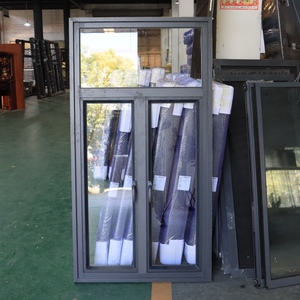
Modern Double Glazed Horizontal Sliding Door & Window System
- Profile: 6063-T6 Architectural Grade
- Integrated Foldable Screen & Blind
- Thermal Break: PA66GF25 Barrier
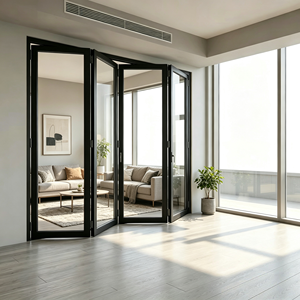
Heavy-Duty Bi-Folding Accordion Patio Sliding System
- German Heavy Stacking Roller Tracks
- Air Permeability: EN 12207 Class 4
- Acoustic Dampening: Rw ≥ 40 dB
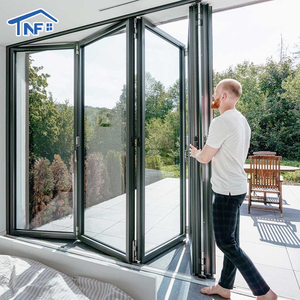
Weatherproof Double Tempered Low-E Villa Patio Door
- U-Value: 1.4 W/(m²·K) High Efficiency
- EPDM Continuous Triple Gaskets
- Multi-point Anti-theft Hardware
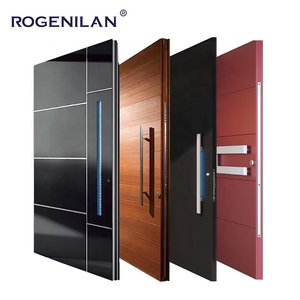
Cast Aluminum Reinforced Residential Entry Security Door
- Patented 4-Side 6-Point Deadlock
- Explosion-Resistant Core Infill
- AkzoNobel UV-Stable Powder Finish
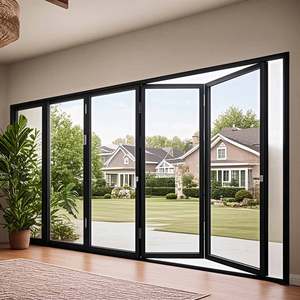
Wind-Resistant High-Pressure Structural Folding System
- Wind Pressure: 4500 Pa (Class C5)
- Laminated SentryGlas Interlayer
- Engineered Sand Ingress Deflectors
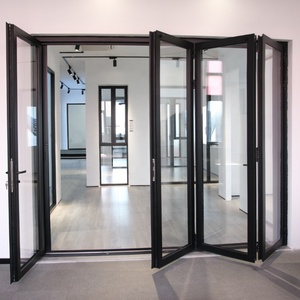
AS2047 Thermal Break Balcony Stacking & Sliding Door
- Australian Standard AS2047 Tested
- Flush Floor Sill for Seamless Living
- High Load Stacking Bearings (300kg)
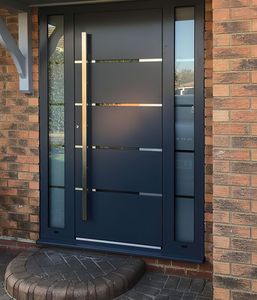
Architectural Oversized Villa Glass Pivot Front Door
- Heavy German Hydraulic Pivot Hinge
- Oversized Span Capability: up to 3.8m
- Smart Biometric Access Integration
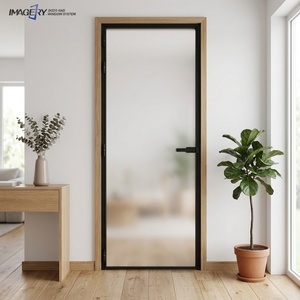
Ultra-Slim Sightline Minimalist Sliding & Casement System
- 16mm Visible Interlock Face Width
- Concealed Frame Architectural Profile
- Double Glazed Acoustic Insulated
Engineering Aluminum Fenestration for Mashhad: Climate Dynamics & Structural Challenges
Mashhad, the capital of Razavi Khorasan Province and Iran's second-largest metropolitan center, presents one of the Middle East's most technically demanding micro-climates for exterior envelope engineering. Situated at an altitude of approximately 985 meters above sea level within the Kashafrud River basin, Mashhad experiences a semi-arid continental climate characterized by severe seasonal extremes, intensive solar radiation, persistent airborne dust storms from the Karakum Desert fringe, and distinct architectural requirements spanning hyper-dense pilgrim hospitality zones to luxury residential estates in Shandiz and Vakilabad.
Standard architectural aluminum systems specified for temperate zones suffer catastrophic performance degradation when exposed to Mashhad's geoclimatic realities. Without thermal-break isolation engineered specifically for wide diurnal temperature deltas exceeding 25°C in spring and autumn, fenestration frames experience rapid cyclical expansion and contraction. This thermal shock leads to seal rupture, frame wracking, air leakage, and massive heating/cooling energy loss—directly violating Iran's mandatory National Building Regulations (Topic 19 - Energy Conservation).
Technical Imperative: In Khorasan Razavi, exterior glazing assemblies must maintain an overall heat transfer coefficient (Uw) of ≤ 1.8 W/(m²·K) for high-rise commercial structures and ≤ 1.5 W/(m²·K) for luxury villas, backed by EN 12207 Class 4 air-tightness certification to resist fine dust (PM10/PM2.5) infiltration during seasonal shamal and silt-wind conditions.
Localized Micro-Zone Fenestration Demands Across Mashhad
Procurement specifications must correspond directly to the functional topography of Mashhad's metropolitan development districts:
- The Central Shrine Hospitality Belt (Samen District): Surrounded by over 30 million annual religious pilgrims, hotels and mixed-use complexes facing the Imam Reza Shrine ring roads demand high-level acoustic attenuation (Rw ≥ 42 dB) combined with automated sliding door systems that resist constant high-traffic cycles without seal compromise.
- The High-End Residential Enclaves (Ahmadabad, Sajjad Boulevard, & Vakilabad): High-density luxury towers require ultra-narrow sightlines, concealed structural frames, and heavy-duty sliding systems with multi-point locking capable of resisting structural wind pressures up to 3500 Pa generated at higher floor plates.
- Suburban Foothill Villas (Shandiz, Torqabeh, & Golbahar): Sprawling multi-level luxury estates demand expansive multi-slide and accordion patio doors with panel spans exceeding 3 meters. In these semi-mountainous regions, freezing winter sub-zero blasts down to -15°C mandate high-performance multi-chamber polyamide thermal barriers and double-tempered solar Low-E argon insulated units.
Engineering Compliance Matrix: Mashhad Fenestration Standards
A side-by-side engineering comparison of standard commercial market profiles versus certified high-spec systems for Khorasan Razavi construction projects.
| Performance Parameter | Local Market Standard (Baseline) | High-Performance Specification (DERCHI / Dejiyoupin) | Target Iranian Code / ASTM Standard | Status in Mashhad Application |
|---|---|---|---|---|
| Alloy Metallurgy | Recycled / Secondary 6063 Aluminum | Virgin 6063-T6 Structural Billet Aluminum | ASTM B221 / GB 5237 | Essential for Deflection |
| Thermal Barrier | Non-thermal or PVC Extruded Strips | Polyamide PA66 GF25 Reinforced Glass-Fiber | DIN 16941 / ISO 16396 | Topic 19 Mandatory |
| Frame U-Value (Uf) | ≥ 4.5 W/(m²·K) (High Thermal Bridging) | 1.3 – 1.8 W/(m²·K) (Zero Bridging) | EN ISO 10077-2 / NFRC 100 | Local Baseline Fails |
| Sand & Dust Ingress Seal | Single Wool-pile Brush Strip | EPDM Dual Co-Extruded Gasket + Silicone Fin | EN 12207 Class 4 (Air Permeability) | Desert Storm Proof |
| Acoustic Decoupling | Rw = 24 – 28 dB (Clear Single/Double) | Rw = 38 – 44 dB (Asymmetric Laminated Glass) | ISO 717-1 / ASTM E413 | Samen Hotel Zone Need |
| Surface Anodizing / PVDF | 10–12 μm Standard Anodized Finish | 25–30 μm Fluorocarbon PVDF / AkzoNobel Powder | AAMA 2605 / Qualicoat Class 2 | High UV Endurance |
Top 10 Aluminum Sliding Door & Window Suppliers Serving Mashhad
An objective industry assessment detailing primary structural fabricators, local system houses, regional assembly plants, and global OEM partners supplying Khorasan Razavi.
Guangdong Dejiyoupin (DERCHI)
Global OEM Tier 1 • Direct Export Supply- Certifications: CE, NFRC, AS2047, CSA, Energy Star, ISO 9001
- Capacity: 1,000,000 m²/year | 30+ Dedicated R&D Engineers
- Best For: High-end commercial towers, luxury Shandiz villas, direct custom sizing
Khorasan Aluminum Industrial Group
Regional Extruder • Toos Industrial Park- Focus: Raw profile extrusion, standard mill-finish and electro-coloring
- Limitation: Limited advanced European-style thermal break accessories
- Best For: High-volume economical residential housing blocks
Toos Modern Facade & Glazing
Local Fabricator • Mashhad Metro- Focus: Custom fabrication from domestic aluminum extrusion billets
- Limitation: Extended lead times for oversized, non-standard sliding panels
- Best For: Mid-rise apartment developments and institutional repairs
Shandiz Architectural Enclosures
Bespoke Workshop • Shandiz Road- Focus: Decorative sliding patio doors and architectural sunrooms
- Limitation: High cost per unit; lack of international structural testing
- Best For: Private residential retreats and garden villa renovations
Alupaye Fenestration Systems
National Distributor • Mashhad Branch- Focus: Modular system supply, polyamide thermal barrier profiles
- Limitation: Relies on 3rd-party local fabricators for assembly precision
- Best For: Medium contractors with in-house assembly teams
Kavian Profile & Glazing
Industrial Extruder • Kalat Industrial Zone- Focus: Commercial structural curtain walling and storefront assemblies
- Limitation: Minimal minimalist or ultra-narrow frame aesthetic options
- Best For: Commercial showrooms and public municipal facilities
Euro-System Authorized Dealers
Import Assembler • Ahmadabad District- Focus: Ultra-premium lift-and-slide panoramic glass systems
- Limitation: Extremely volatile pricing affected by currency conversion and customs
- Best For: High-budget ultra-luxury signature residences
Razavi Glazing & Metalworks
Institutional Fabricator • Samen Zone- Focus: High-traffic commercial swing/sliding doors, acoustic double glazing
- Limitation: Rigid standard designs with limited residential customization
- Best For: Hotels, municipal transit hubs, and religious cultural centers
Pars Golden Profile Co.
Wholesale Supplier • Khayyam Industrial Area- Focus: Stock aluminum profiles, weather-stripping, sliding hardware kits
- Limitation: Minimal structural calculations or thermodynamic testing
- Best For: Small residential replacements and budget renovations
Caspian High-Rise Fenestration
Contracting Group • Mashhad Branch- Focus: Turnkey facade installation, unitized curtain wall erection
- Limitation: Does not manufacture directly; dependent on external OEMs
- Best For: General developers requiring full on-site installation teams
Emerging Fenestration Trends in Mashhad's Built Environment
How progressive architects in Razavi Khorasan are transforming luxury living spaces and urban energy conservation strategies.
Minimalist Ultra-Slim Interlocks
Modern penthouses on Sajjad and Daneshjoo Boulevard are moving away from bulky 90mm frame sightlines. The trend favors concealed frame systems with visible vertical meeting stiles under 18mm, maximizing unobstructed views of the surrounding Khorasan mountain ranges while maintaining wind resistance.
Zero-Barrier Lift-and-Slide Thresholds
Luxury villa construction in Shandiz now mandates recessed, zero-step threshold channels. These floor-level drainage tracks permit indoor marble flooring to transition seamlessly onto outdoor pool decks while employing hidden stainless steel channels to handle winter snowmelt and rainwater drainage without clogging.
High Acoustic Decoupling in Hotel Corridors
With Mashhad welcoming millions of religious tourists annually, luxury hotels surrounding the Holy Haram are adopting asymmetric acoustic laminated double-glazing (6mm Low-E + 16Ar + 4mm + 0.76PVB + 4mm clear). This decouples ambient traffic frequencies and prayer call decibel peaks to sub-32 dB interior levels.
Frequently Asked Questions: Mashhad Fenestration Sourcing
In-depth technical answers prepared by our senior engineering division for local developers, facade consultants, and general contractors.
How does Topic 19 of Iran's Building Code affect aluminum window specifications?
Topic 19 (Mabhase 19) mandates strict energy conservation targets for exterior building envelopes. Standard non-thermal break aluminum frames are non-compliant due to severe thermal bridging. Contractors in Mashhad must specify polyamide thermal breaks (minimum 24mm PA66 GF25) coupled with double-glazed insulated units containing argon gas and solar Low-E coatings, ensuring total assembly Uw remains below 1.8 W/(m²·K).
How do sliding door tracks handle Mashhad's fine dust and sandstorms?
Conventional low-profile sliding rails quickly jam from airborne silt and sand blown from surrounding arid regions. We engineer our sliding assemblies with raised stainless steel monorails, heavy-duty tandem nylon rollers, continuous silicone fin weather-stripping, and concealed multi-tier drainage channels that deflect sand accumulation and allow quick cleaning without track disassembly.
Why is 6063-T6 virgin aluminum essential over recycled local billets?
Recycled aluminum billets often contain uncontrolled scrap impurities, resulting in micro-fissures, uneven thermal expansion, and premature structural failure under heavy wind loads. Virgin 6063-T6 aluminum provides certified tensile strength (≥ 205 MPa) and yield strength (≥ 160 MPa), ensuring that oversized sliding panels do not bow or warp under seasonal temperature differentials.
What surface treatment best survives Mashhad's intense high-altitude UV?
Mashhad's elevation (985m+) exposes buildings to intense ultraviolet radiation. Standard single-bake powder coatings fade, chalk, and lose gloss within 3 to 5 years. We specify architectural fluorocarbon PVDF (polyvinylidene fluoride) coatings or certified AkzoNobel Interpon D2525 architectural powder coatings that pass 10-year Florida exposure standards for UV and gloss retention.
What is the typical shipping and delivery timeframe from Foshan to Mashhad?
Factory-direct orders from our Guangdong manufacturing base are packed in custom fumigated wooden crates with protective multi-layer bubble wrap. Transit by sea from Foshan/Shenzhen port to Bandar Abbas takes approximately 18–22 days, followed by domestic road freight to Mashhad (3–4 days). Comprehensive CAD shop drawings and pre-assembly testing ensure error-free on-site installation.
Can you provide custom engineering for seismic and inter-story drift?
Yes. Mashhad is situated in an active seismic belt along the Kashafrud Fault. Our engineering team calculates structural inter-story drift and seismic movement tolerances, designing sub-frame anchor brackets with slotted expansion holes and structural silicone bite depths that prevent glass breakage during building seismic displacement.